What's the Difference Between UEM and MDM?
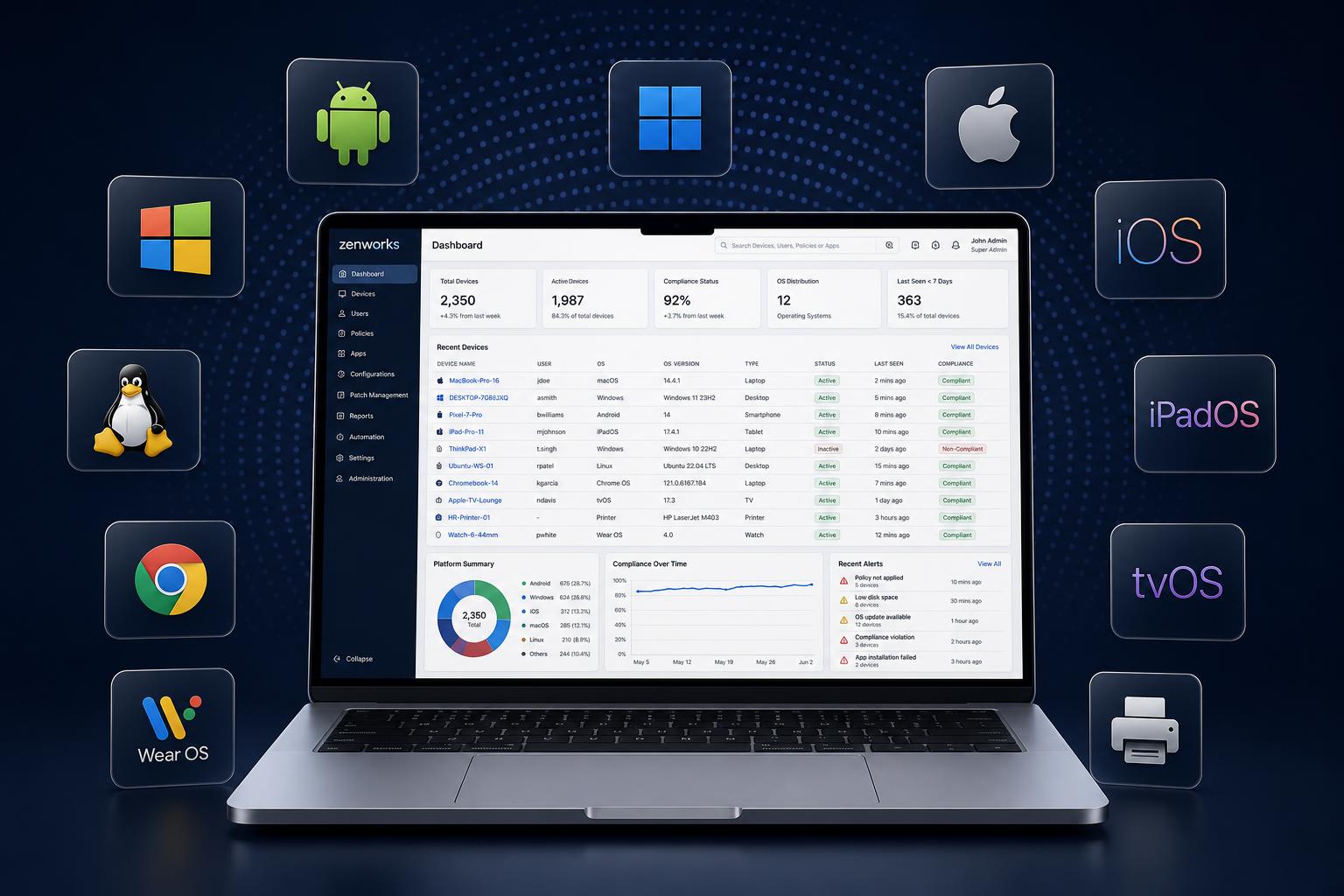
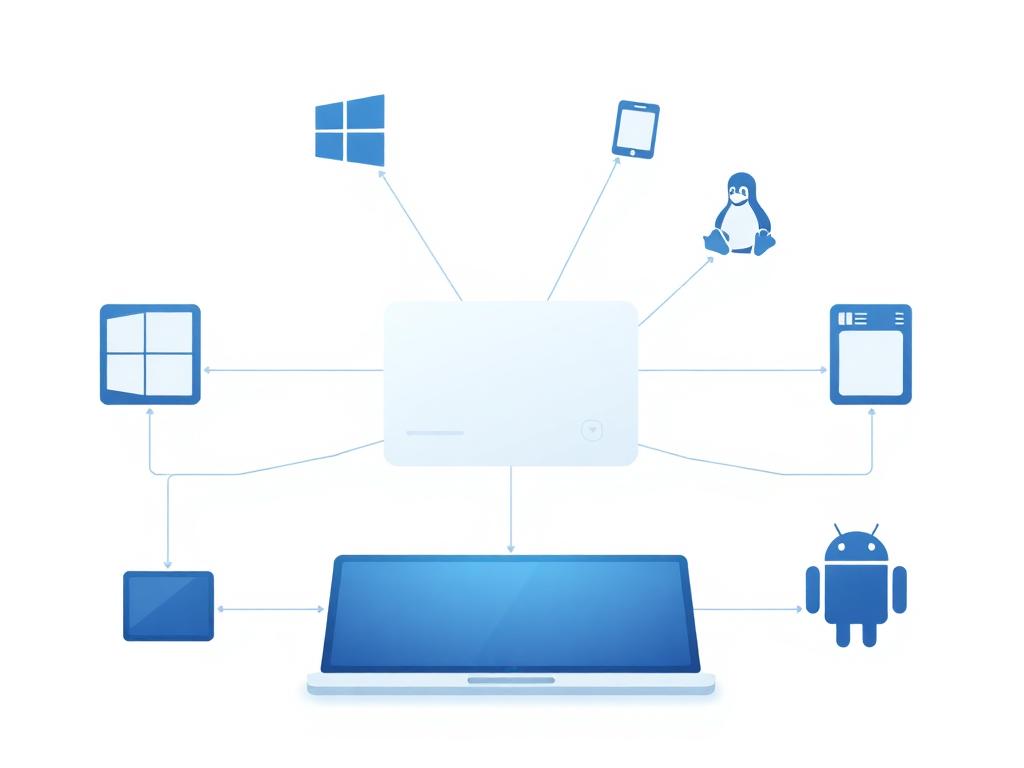
MDM manages mobile devices; UEM extends the same model to every endpoint class and adds patch management, application delivery, identity integration and estate-wide compliance reporting. Then the practical framing: if mobile is your only gap, MDM may be enough; if your risk sits in laptops, engineering machines and mixed-OS fleets, MDM leaves the majority of your endpoints unmanaged.
Feature
MDM
Mobile Device Management
RECOMMENDED
UEM
Unified Endpoint Management
Device coverage
Mobile devices only (phones & tablets)
All endpoints: desktops, laptops, servers, mobile, IoT
OS support
iOS & Android only
Windows, macOS, Linux, iOS, Android, ChromeOS
Patch management
Limited / app-level only
Full automated patch management (OS + apps)
IT asset management
Not included
Full lifecycle IT asset management
Endpoint security
Basic MDM security controls
Advanced endpoint security + EDR integration
Zero-touch deployment
Mobile only (ABM / Android Enterprise)
All platforms incl. Windows Autopilot & macOS ABM
Compliance support
Basic compliance reporting
ISO 27001, SOC 2, GDPR audit-ready reporting
Best for
Small mobile-only fleets
Enterprises with mixed OS environments & remote teams