
Why CSPM Tools Are Not Enough for Cloud Security
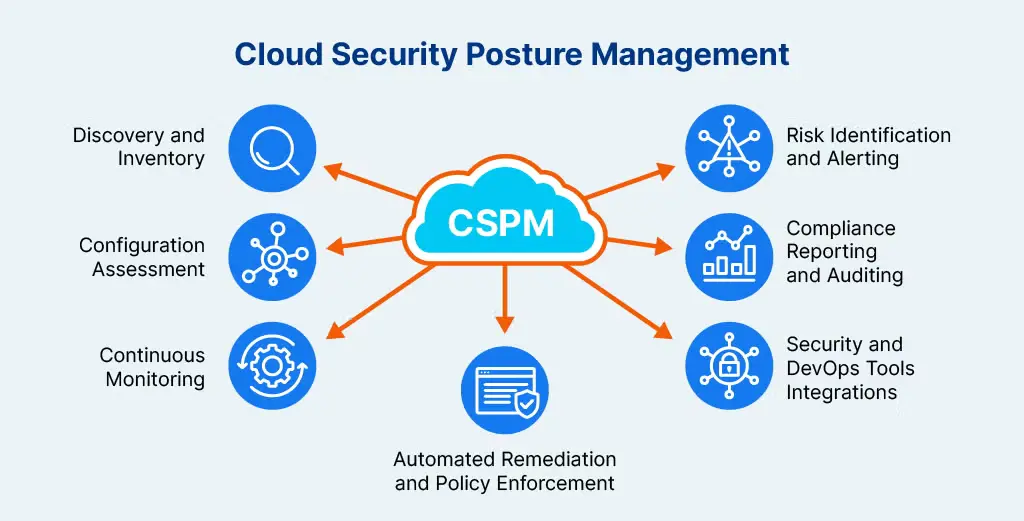
CSPM tools are often introduced after an uncomfortable realization.
Someone discovers public cloud assets, risky configurations, or failed compliance checks. CSPM brings order to that chaos by scanning cloud environments and surfacing what is misconfigured.
For many teams, this feels like cloud security progress.
Yet breaches still happen.
The reason is simple. CSPM shows configuration issues, but attackers rarely stop at configuration alone.
What CSPM actually solves and what it does not
CSPM is effective at answering one question.
Is my cloud configured according to policy and compliance standards?
It helps teams identify:
Publicly exposed services
Missing encryption or logging
Non-compliant resource settings
Policy drift across accounts
This visibility is important, especially in large environments. But cloud attacks do not follow compliance checklists.
How real cloud attacks unfold
Most cloud incidents follow a predictable pattern.
A credential is compromised
Permissions are abused
Workloads or data are accessed
The attacker moves quietly using allowed actions
At no point does the attacker need to introduce a new misconfiguration. They operate within what already exists.
CSPM is not designed to detect or stop this behavior.
Identity risk sits outside CSPM’s core scope
One of the biggest gaps in CSPM is identity.
CSPM tools have limited context on:
Excessive IAM permissions
Dormant users and service accounts
Risky role assumptions
Token misuse across services
This is why organizations with good CSPM scores still experience cloud account takeovers. Identity misuse is an access problem, not a posture problem.
Workloads are invisible once they start running
CSPM evaluates configuration state. It does not observe runtime behavior.
Once a container or VM is running, CSPM cannot tell you:
If a workload is compromised
If malicious processes are running
If outbound traffic looks suspicious
If privileges are being abused inside the workload
Attackers know this. They move from configuration weaknesses to runtime exploitation quickly.
Too many findings, not enough context
Another challenge is volume.
CSPM tools generate large numbers of findings. Security teams must decide what matters most.
Without context, teams often:
Suppress alerts
Accept risk without understanding impact
Focus on compliance metrics instead of exploitability
The environment looks cleaner on dashboards, but real exposure remains.
Compliance alignment is not threat prevention
Passing audits does not mean stopping attacks.
Compliance frameworks focus on control existence, not attacker behavior. A cloud environment can be compliant and still vulnerable to identity abuse, lateral movement, and data exfiltration.
CSPM supports compliance. It does not replace threat detection.
Also Read: What Are the Biggest Security Challenges in a Multi Cloud Environment?
What cloud security needs beyond CSPM
CSPM should be treated as a foundation, not a finish line.
Real cloud security also requires:
Clear visibility into identities and permissions
Runtime protection for workloads and containers
Detection of suspicious behavior, not just misconfigurations
Understanding how risks connect into attack paths
This shift from posture to exposure is where many teams get stuck.
At this stage, some organizations step back and reassess whether they are fixing what looks risky or what would actually be exploited in an attack. That reassessment often changes priorities quickly and surfaces blind spots CSPM alone cannot show.
About NetNXT
NetNXT is a managed security services provider delivering practical IT services and IT security services for organizations operating in cloud and hybrid environments. As a hands-on cybersecurity services provider, NetNXT helps teams move beyond checklist-driven security by focusing on identity risk, cloud exposure, and operational threat reduction.
NetNXT works with security and IT teams to align posture management with real-world attack scenarios, ensuring cloud controls reduce risk, not just alerts.
If your cloud security strategy relies heavily on CSPM findings, a focused review can help determine whether those findings actually reduce breach risk. You can explore that conversation with the NetNXT team through the contact page.
FAQ
1) What is the main limitation of CSPM tools?
They identify misconfigurations but do not detect identity misuse or runtime attacks.
2) Can CSPM prevent cloud breaches?
No. CSPM improves visibility but does not stop most attack paths.
3) Is CSPM the same as CNAPP?
No. CSPM is one component. CNAPP includes identity, workload, and runtime security.
4) Why do compliant cloud environments still get breached?
Because compliance does not account for attacker behavior or credential misuse.
5) Should CSPM still be used?
Yes, but only as part of a broader cloud security approach.